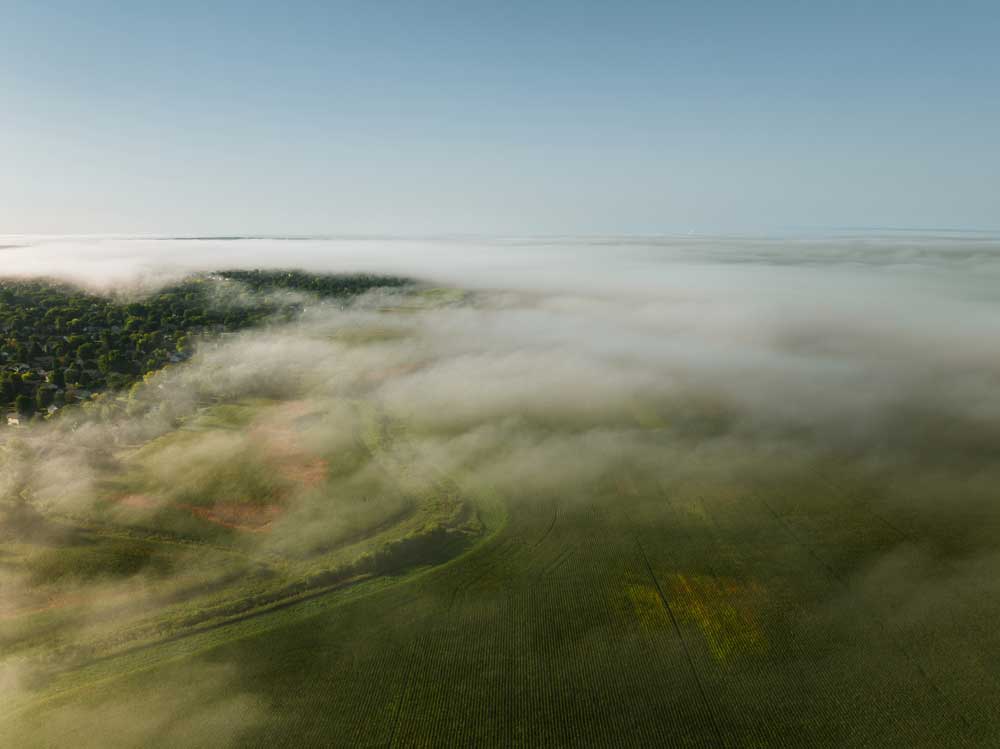
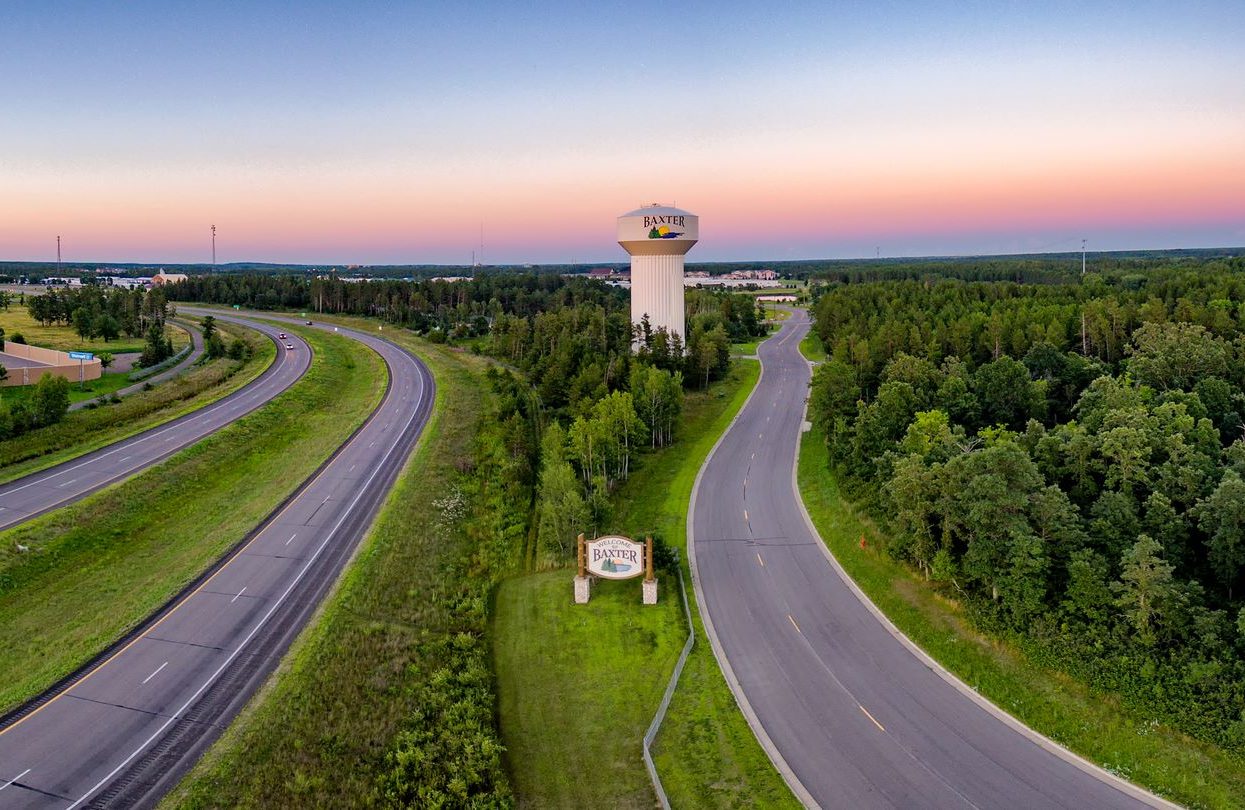
In Minnesota’s rural townships, zoning and land use practices play a crucial role in maintaining their characteristics. These practices provide townships with the ability to manage growth, protect their character, and preserve natural resources for the future of their jurisdiction.
Townships are often divided into multiple zoning districts, which can include, but not limited to, public green space, agricultural, rural residential, residential, commercial, and industrial. Land use processes guide staff and elected officials on how land is developed, maintained, and most importantly, preserved for long range establishment and identity.
The Importance of Land Use and Zoning Administration?
- Preserving Rural Areas
Open landscapes, farmlands, and quiet pace of life are important to maintaining the integrity of rural communities. Land use and zoning processes establish guidelines for development while maintaining character with clear boundaries and standards. - Responsible Development
Without zoning, rural areas can face challenges. Thoughtful zoning protects farmland, guides housing developments, and ensures businesses are located appropriately. - Jurisdiction Boundaries
As communities grow and rural areas become suburbs, it is important to maintain awareness for long range growth. Often, Townships will have an orderly annexation agreement in place with surrounding community and their growth. It is fundamental to be aware of other entities’ plans for future develop and make sure it aligns with the Township’s long-term planning/comprehensive plan. - Protecting Natural Resources
Many rural townships are home to valuable natural resources like forests, wetlands, and lakes. Land use planning safeguards these assets by limiting development in environmentally sensitive areas, promoting conservation, and managing stormwater runoff. - Supporting Local Economies
Land use and zoning can encourage economic growth by designating spaces for small businesses or industries. It also supports the process of providing necessary access points and main traffic roadways for business to sustain the necessary traffic. - Enhancing Quality of Life
Zoning often helps maintain a safe and enjoyable environment for residents. It also creates access to essential services like schools, healthcare, and recreation areas.
A Path to Resilience and Growth
For small rural townships in Minnesota, zoning and land use practices are tools for preserving what makes them distinctive while maintaining for the future. Focusing on these practices can continue the integrity of rural areas and preserve natural resources.
Related Posts
Updates to Your Zoning Ordinances
Posted on