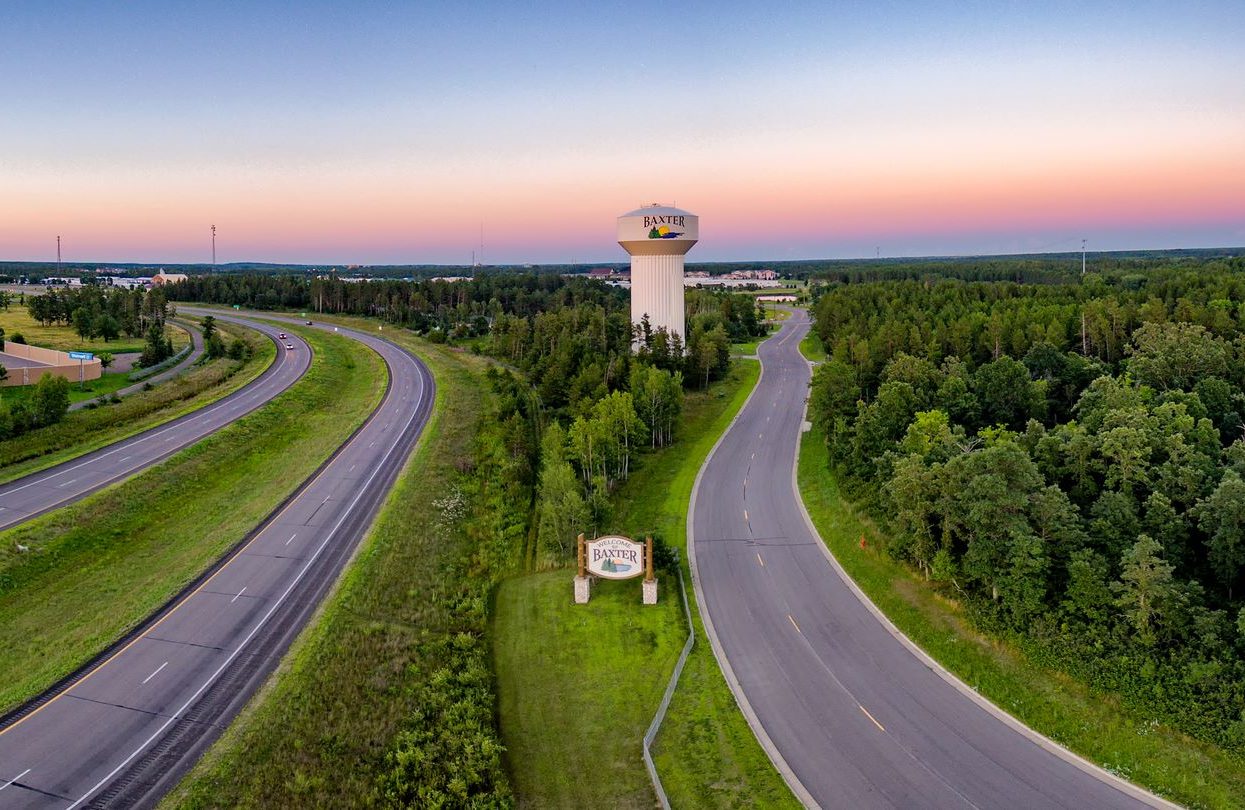
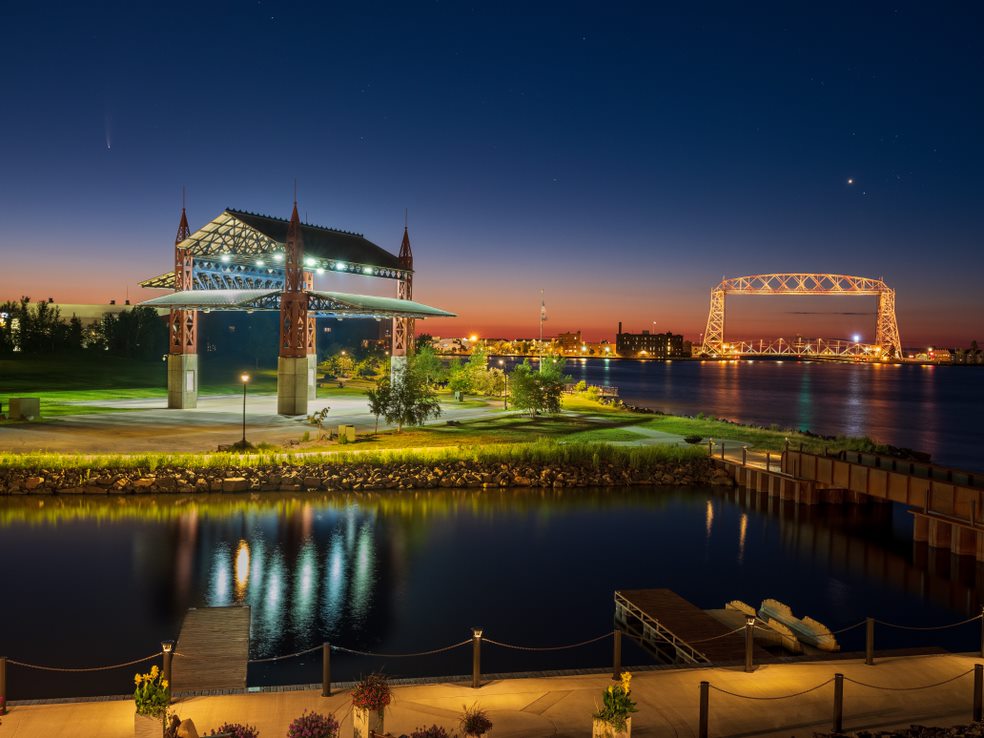
Small rural communities in Minnesota face exceptional challenges and opportunities as they work to balance growth, resources, and their community identity. A comprehensive plan can be a beneficial tool for communities, providing framework for sustainable development and long-term success.
What Is a Comprehensive Plan?
A comprehensive plan is a strategic document that outlines the community’s vision for years to come. It is tailored to the community and often covers a range of important topics, such as land use, housing, transportation, economic and community development, public safety, parks and recreation, and environmental conservation. The plan is developed through input from key stakeholders in the community including residents, businesses, and local leaders. It is important to make sure all voices and input are heard to reflect the community’s shared priorities.
Why are Comprehensive Plans Beneficial?
- Leading Sustainable Growth
Comprehensive plans help small communities manage growth in a way that preserves their identity. By outlining zoning and land-use priorities, these plans guide development while encouraging projects that align with community goals. - Funding and Resources
A clear, consistent comprehensive plan demonstrates a community’s commitment to future planning and growth. With this plan in place, it can assist to secure grants funds, especially for infrastructure and economic development projects. - Strengthening Community Identity
Rural communities often take pride in their identity. A comprehensive plan ensures that these characteristics are considered in decisions about future developments, helping to maintain the small-town feel residents value. - Improving Infrastructure and Services
By identifying current and future needs, comprehensive plans can help communities prioritize improvements to roads, utility systems, and emergency services. This can often be critical for rural areas with limited resources. - Relationships and Collaboration
The planning process buildings relationships through collaboration between residents, local governments, and regional organizations. - Opportunity and Adaptability
Comprehensive plans can assist rural communities better prepare for challenges like shifting population trends, orderly annexation priorities for future growth, or economic disruptions.
The Saehr Consulting Approach to Comprehensive Planning
A comprehensive plan isn’t just a document—it’s a roadmap for a community’s future. Working with Saehr Consulting, their team focuses on the necessary steps, custom to your community, to ensure that all stakeholders are left with a valuable product. Their mission in this process is to make sure the plan serves as a guide for decision-making, helping leaders evaluate necessary development, be aware of resources, and set policies that align with the community’s long-term goals.
Related Posts
Updates to Your Zoning Ordinances
Posted on